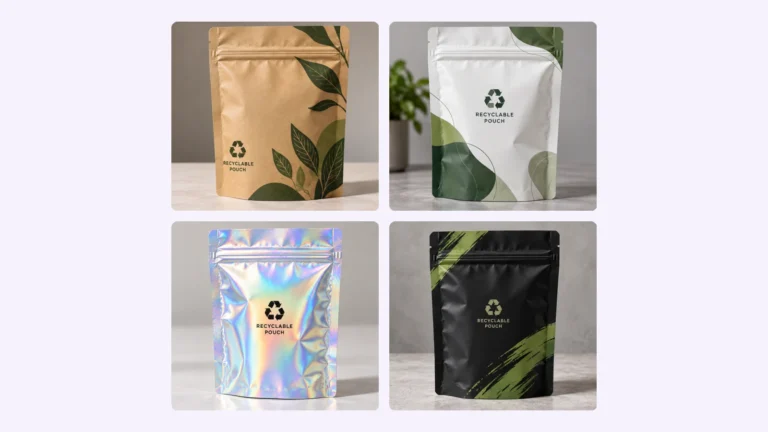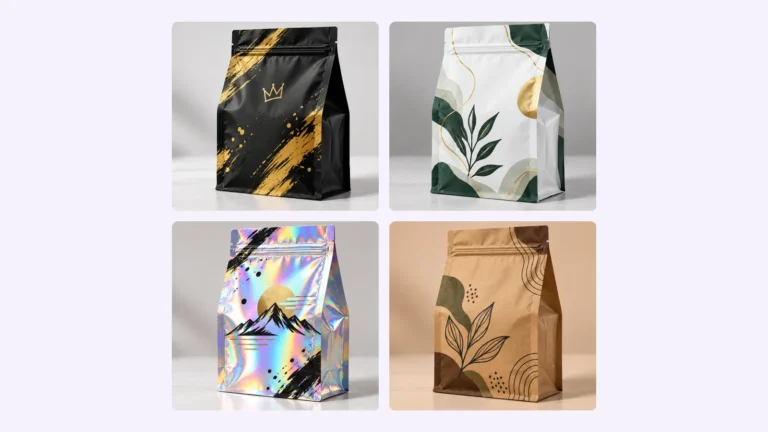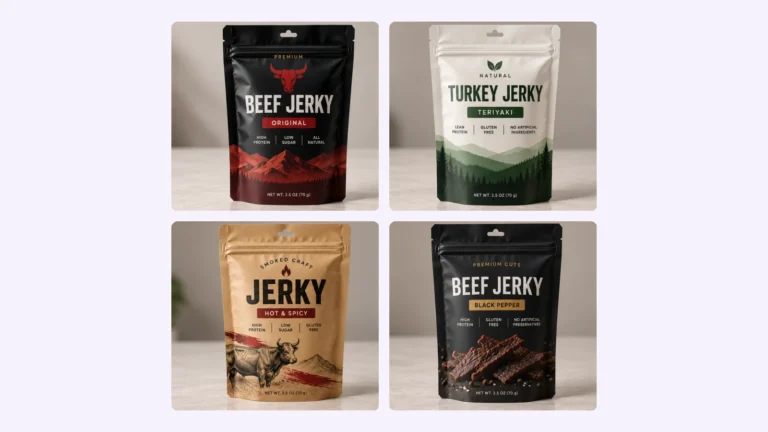
What Are Mylar Bags? A Guide for Brands Choosing Custom Pouches
What mylar bags are made of, why they protect products so well and how to choose the right custom pouch for your brand.
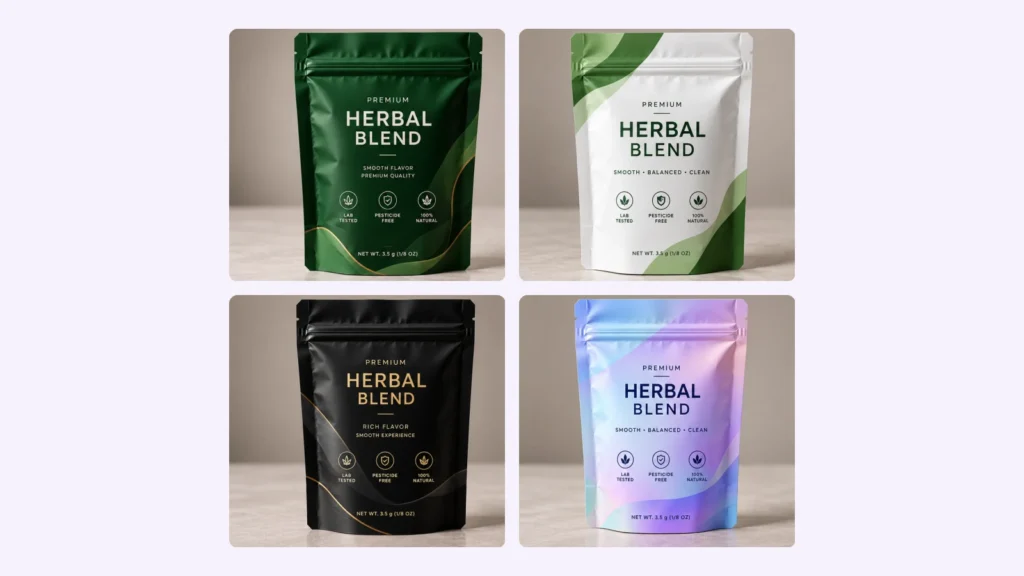
If you sell coffee, snacks, supplements, candy or cannabis, you have probably been told to “get mylar bags.” But what exactly is a mylar bag, and why do so many growing brands choose them over jars, tins or paper bags? This guide explains how mylar bags work, the styles available and what to think about before you order custom printed pouches.
What “mylar” actually means
Mylar is the original trade name for a type of polyester film called BoPET (biaxially oriented polyethylene terephthalate). In packaging, “mylar bag” has become shorthand for any pouch made from laminated films that include a metallized or foil barrier layer. A typical custom mylar bag has three layers:
- An outer printed layer, usually PET, which carries your artwork and gives the bag its matte, gloss or soft-touch feel.
- A barrier layer, either metallized PET or aluminum foil, which blocks light, oxygen and moisture.
- An inner sealant layer, usually polyethylene, which is food-contact safe and heat seals to close the bag.
Bonded together, those layers create a pouch that is light and flexible but protects the product far better than a single plastic film.
Why brands use mylar bags
The biggest reason is freshness. Light fades flavor and color, oxygen makes oils go stale and moisture makes dry products clump or go soft. A metallized or foil barrier keeps all three out. The second reason is cost: pouches use much less material than rigid containers, they ship flat before filling and they take up a fraction of the storage space. The third reason is branding. A printed pouch gives you a large, eye-catching surface that works on a retail shelf and in an online unboxing.
The main mylar bag styles
Stand-up pouches have a folded bottom gusset that opens when filled, so the bag stands on its own. They are the most popular style for retail, and our custom stand-up mylar bags are a good place to start.
Flat pouches are sealed on three sides and lie flat. They suit samples, single servings and exit bags.
Flat bottom and side gusset bags hold more volume and stand like a box, which is why coffee roasters and pet brands use them.
Child-resistant bags add a CR zipper for products that must be kept away from children.
Closures and extras
Most retail pouches use a press-to-close zipper with tear notches above it, so the customer tears the top off and then reseals the bag. Other options include child-resistant zippers, pocket zippers that keep the front panel clean, one-way degassing valves for coffee, hang holes for peg displays and clear windows that show the product inside.
How to choose the right bag
Start with the product. How much does one pack weigh, how dense is it and does it need extra protection from light or odor? Then think about where it will be sold: shelf, peg, online or at a counter. Finally, decide on the look: matte for a modern, premium feel, gloss for vivid color or holographic for maximum impact. If you are not sure, our free quote form lets you describe the product and we will recommend a style and size.
Frequently asked questions
Are mylar bags food safe?
Mylar bags made for food use a food-contact sealant layer on the inside. Always tell your supplier what you are packing so they can confirm the right laminate.
Are mylar bags recyclable?
Standard mylar bags are multi-material, so they are not usually recyclable curbside. Recyclable mono-material and compostable pouches are available if that matters to your brand.
Can I print my own design on mylar bags?
Yes. Custom mylar bags are printed in full color with your artwork, and you approve a digital proof before production starts.